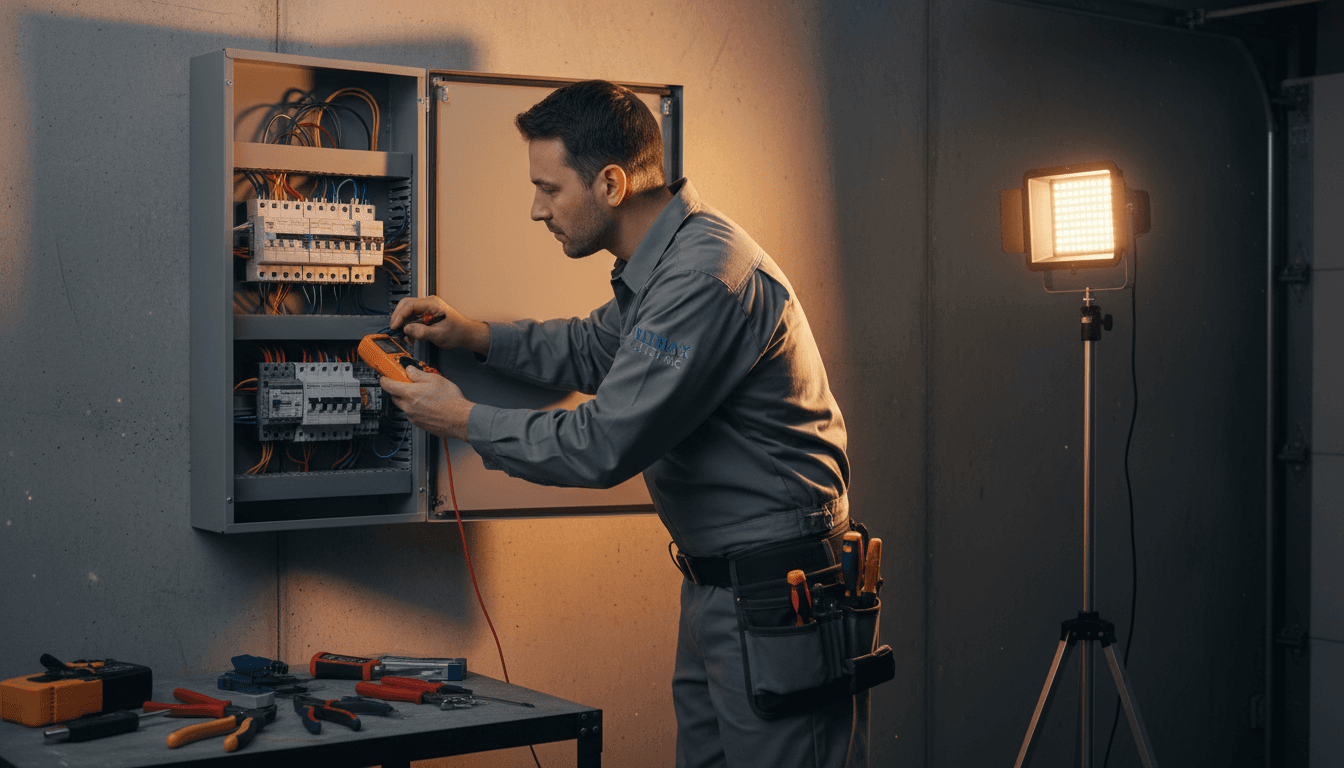
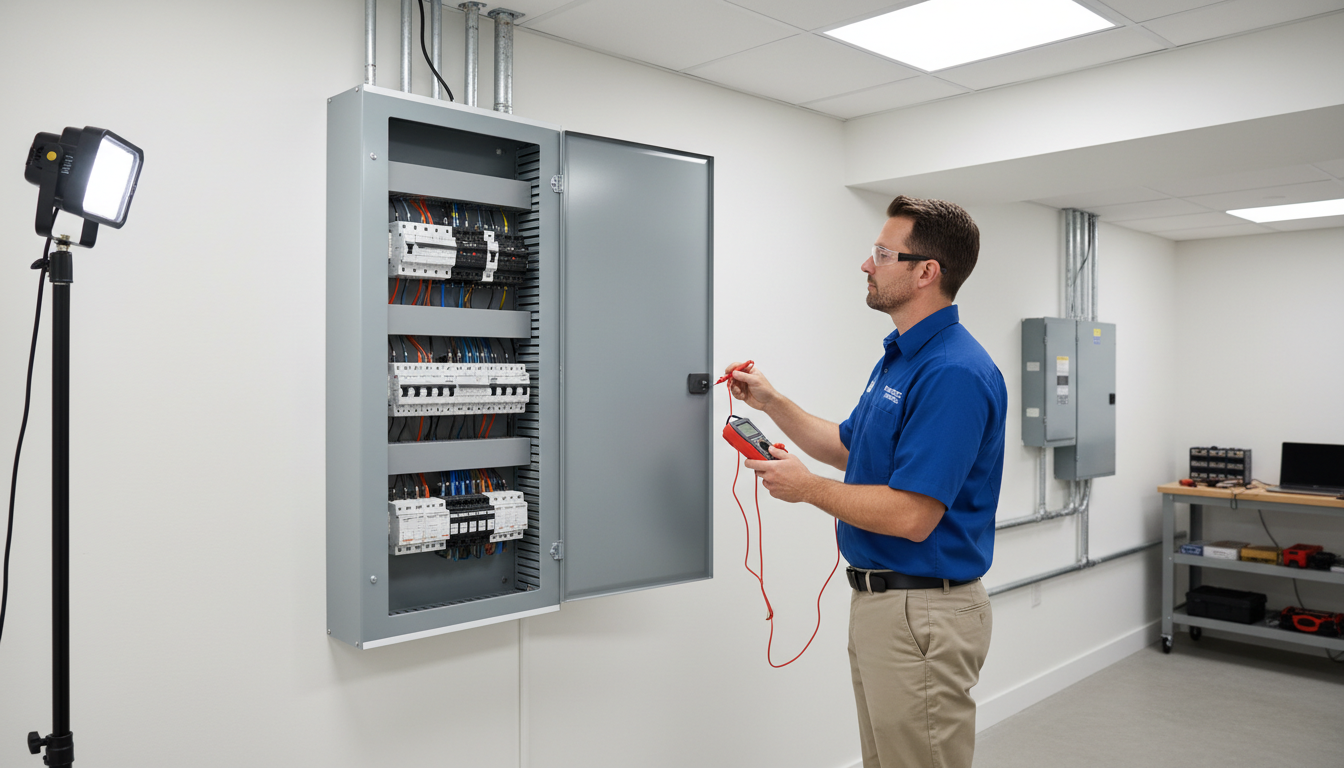
Homeowners frequently query circuit overloads, flickering lights, and the legality of DIY repairs, which are critical electrical questions answered by local electrician Essex professionals to maintain property safety. Experts emphasize regular maintenance of sockets and wiring while clarifying which tasks fall under notifiable building regulations versus minor electrical work. Addressing persistent issues like tripping fuse boxes ensures systems stay functional and compliant with UK safety standards.
Dealing with a flickering light or wondering if you can legally swap a socket yourself can be incredibly frustrating for any Essex homeowner. While the urge to DIY is strong, the complexities of UK building regulations often turn a simple task into a potential safety hazard. Understanding the boundaries of home maintenance is essential for protecting your property and ensuring your insurance remains valid. In this guide, I will share professional insights into the most common electrical queries I receive across Billericay and the wider Essex area. We will explore the legal limits of homeowner electrical work, investigate the common causes of lighting issues, and provide clear pricing expectations for call-outs. Whether you are planning a specialist EV charger installation or simply need to know if a light fitting requires a certified pro, you will find the practical answers you need here.
Common Electrical Questions Answered by a Local Electrician in Essex
Homeowners in Billericay, Brentwood, and Wickford often face a dilemma when a socket feels warm or a light switch flickers. It is common to feel hesitant about calling out a professional for what seems like a minor annoyance. However, getting common electrical questions answered by a local electrician in Essex is often the first step in preventing a small inconvenience from becoming a significant safety hazard.
Electrical safety in the UK is strictly governed by Part P of the Building Regulations. These rules exist because even seemingly simple systems carry risks of fire or shock if handled incorrectly. While some minor tasks are permissible for a competent person, more substantial projects such as EV charger installations require formal certification to ensure your property remains compliant and your insurance stays valid.
Our team regularly visits properties across Shenfield, Stock, and Ingatestone to assist with everything from consumer unit upgrades to urgent electrical fault finding. No question is too basic. We have heard them all, and we believe that an informed homeowner is a safer homeowner. This guide addresses the real world concerns we encounter daily while working in Essex homes, providing clarity on what you can handle yourself and when you absolutely need to call in a professional.
Do I Need an Electrician to Change a Light Fitting or Switch?
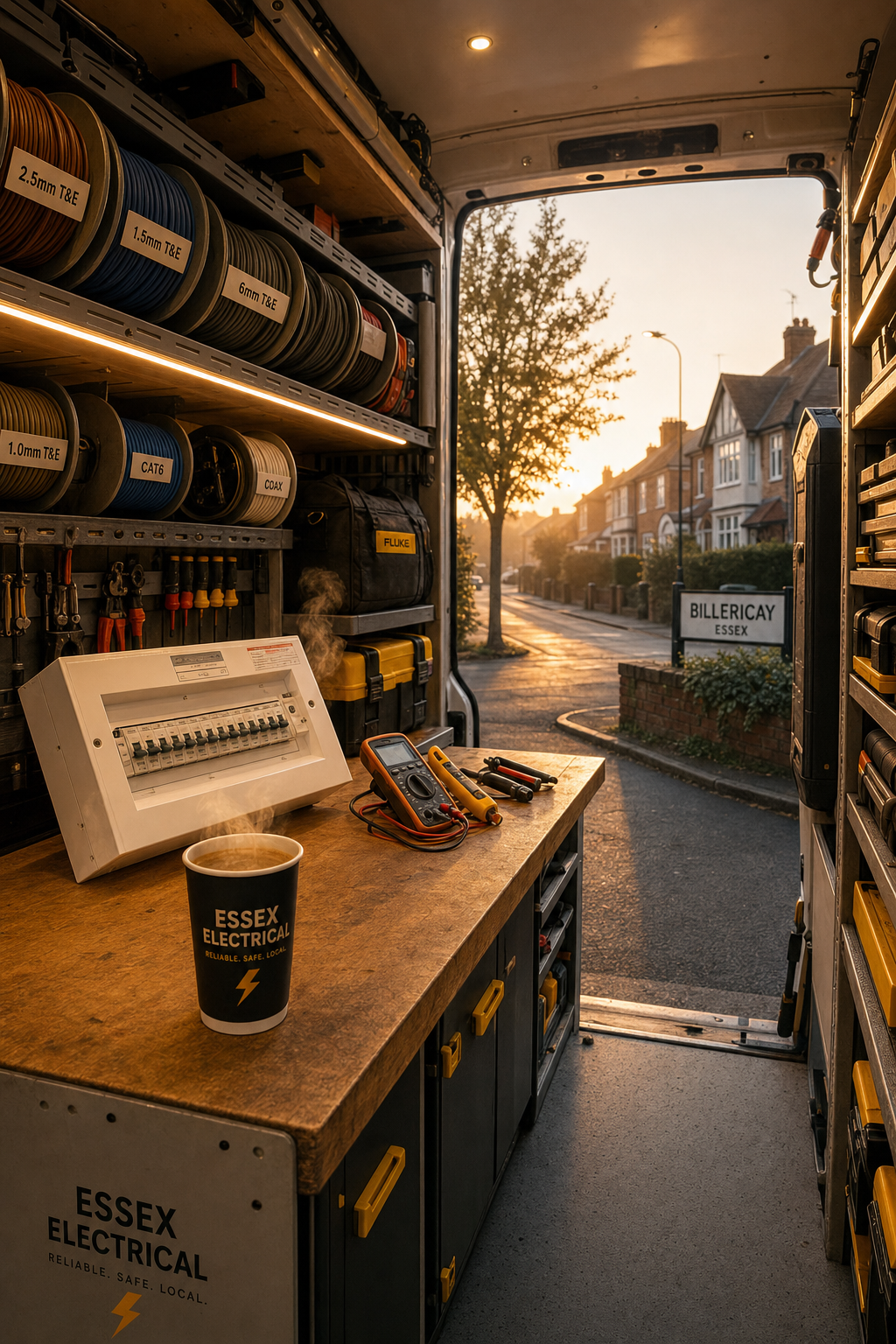
A common starting point for DIY enthusiasts is the desire to modernise a room by swapping out dated plastic accessories. Under UK Building Regulations, changing a like for like light fitting or switch plate on an existing circuit is generally considered non-notifiable work. This means you can legally perform the task yourself provided you are competent to do so and can safely isolate the power. However, many electrical questions answered by local electrician Essex professionals involve situations where a simple swap reveals a deeper safety issue.
In many period properties across Billericay and Stock, we frequently encounter lighting circuits installed without a circuit protective conductor, or earth wire. If you have purchased a modern metal light fitting, it is vital that an earth connection is present. Without it, a fault could cause the entire metal casing of the lamp to become live, posing a severe shock risk. If you remove an old fitting and find only two wires without a green and yellow sleeve, you must stop and consult a professional.
Complexity also dictates when to call for help. Modern smart switches often require a neutral wire at the switch position, which is rarely present in older Essex homes. Similarly, installing heavy chandeliers requires specific structural bracing that goes beyond simple wiring. If you notice that the existing insulation is brittle, crumbling, or made of old black rubber, this is a sign of degraded wiring that requires electrical fault finding rather than a simple cosmetic update. While a switch swap is minor, any work involving new circuits or installations in 'special locations' like bathrooms remains strictly notifiable and requires professional certification.
The DIY Limit: What Electrical Work Can a Homeowner Legally Do in the UK?

Understanding the legal boundaries of home maintenance is essential for any resident in Billericay, Wickford, or Ingatestone. In the UK, electrical safety is governed by Part P of the Building Regulations, which divides tasks into non-notifiable and notifiable work. Non-notifiable tasks are those considered low risk, such as replacing a damaged socket front or a light switch on a like for like basis. As long as the work does not involve a new circuit or a "special location," you can legally perform it yourself.
Notifiable work is far stricter and must be carried out by a professional registered with a competent person scheme like the NICEIC, or reported to local building control. This includes the installation of new circuits, consumer unit upgrades, and any work within a bathroom zone. Attempting to install an electric shower or a new cooker circuit without professional oversight is particularly risky. These appliances draw significant current; if the cable size does not precisely match the load and the circuit breaker, the wiring can overheat and cause a fire behind your walls.
Task Type | Examples | Legal Requirement |
|---|---|---|
Non-Notifiable | Replacing socket covers, light switches, or ceiling roses. | Can be done by a competent DIYer. |
Notifiable | New circuits, consumer unit changes, work in bathrooms. | Must be certified by a Part P professional. |
Specialist | EV charger installations, solar PV, new sub-mains. | Requires dedicated certification and testing. |
Beyond safety, there is a significant financial risk to DIY electrical work. Home insurance providers in Essex often require proof that major installations were completed by a certified professional. If a fault leads to a fire and you cannot produce a Minor Works Certificate or an Electrical Installation Certificate, your claim may be rejected. When we provide electrical questions answered by local electrician Essex, we always remind clients that the cost of professional installation is a fraction of the cost of a voided insurance policy or a property fire.
Why Are My Lights Flickering? A Guide for Essex Residents
Finding an answer to "why are my electric lights flickering uk" starts with identifying the scope of the problem. If the issue is isolated to a single lamp, the cause is usually a loose bulb or a failing LED driver. Modern LED bulbs are particularly sensitive to voltage fluctuations; when they reach the end of their lifespan or are seated poorly in the socket, they often strobe or flicker rather than simply blowing like old incandescent versions.
When flickering affects multiple rooms simultaneously, the root cause is often found within the electrical distribution system. In older parts of Shenfield and Stock, many properties still rely on outdated consumer units that were not designed for the complex loads of modern living. Over time, terminal screws inside these units can vibrate loose, or the busbar can become pitted. These loose connections create high resistance and arcing, which manifests as flickering lights and poses a significant fire risk.
If the flickering coincides with a heavy appliance like an electric shower or tumble dryer turning on, it suggests your internal wiring or consumer unit is struggling with the load. While occasional dimming can be a sign of wider grid fluctuations across Essex, persistent issues require professional electrical fault finding. Ignoring a flicker is risky; that small visual annoyance is often the only warning sign of a loose wire heating up behind your walls.
How Much Does It Cost for an Electrician to Come Out in Essex?
Addressing the budget is often the most pressing concern for residents in Brentwood or Wickford. When searching for the cost for an electrician to come out, many homeowners are met with vague estimates or hidden fees. Billericay Electrician operates with transparency by offering free quotes and zero call-out fees for all domestic and commercial projects throughout Essex. This ensures you only pay for the expertise and materials required for the job, rather than just for the van to arrive at your door.
While every property is unique, having a general price guide helps you plan for necessary improvements or repairs. Costs vary based on the age of the installation and the ease of access for cabling. For example, installing a new point in a timber framed home in Stock may differ from a concrete floor apartment in Shenfield.
Service Type | Estimated Price Range |
|
|---|---|---|
Additional Socket Installation | £85 – £160 |
|
£450 – £900 |
| |
£800 – £1,300 |
| |
Electrical fault finding (Initial Hour) | £60 – £95 |
When seeking to have your electrical questions answered by local electrician Essex professionals, always request a written breakdown of the quote. A fixed price for a specific scope of work protects you from unexpected costs that can arise during complex installations. While emergency repairs involve immediate labour, routine upgrades can be planned and quoted to ensure you receive the best value for your investment.
Specialist Installations: EV Chargers, Ring Doorbells, and Electric Showers

Modern technology often brings specific technical requirements that catch homeowners off guard. When providing electrical questions answered by local electrician Essex professionals, we frequently discuss smart home integrations like Ring doorbells. While often advertised as simple, these units frequently require a transformer upgrade. Many original Billericay doorbells operate on a lower voltage that is insufficient for video streaming and constant connectivity; we typically install a 24V transformer to ensure reliable operation and prevent battery drain.
High-load installations require even more scrutiny. For EV charger installations in towns like Wickford or Shenfield, a dedicated circuit is a legal and safety requirement. Because an EV charger draws a continuous 32 amps for several hours, it places significant stress on the electrical system. This often necessitates consumer unit upgrades to incorporate Type A RCDs and surge protection, which protect your vehicle and your home from electrical faults that older fuse boxes cannot detect.
Similarly, electric showers are one of the most demanding appliances in any Essex property. Drawing up to 10.5kW, they require heavy-gauge cabling and precise circuit protection. Because these installations involve high amperage in a wet environment, they are strictly regulated. A Part P certified professional must handle the wiring to ensure the cable size, typically 10mm for higher kilowatt models, is sufficient to prevent overheating behind the wall.
Important Questions to Ask an Electrician Before Hiring Them
Selecting the right contractor involves more than just comparing prices for consumer unit upgrades or complex repairs. Before any work begins, ask if the electrician is an NICEIC Approved Contractor. This status ensures they are regularly assessed for technical competence and safety standards. You should also confirm they are Part P certified, which is a legal requirement for most domestic work to ensure it meets Building Regulations.
Always request a formal, written quote rather than a verbal estimate. A detailed quote should include the cost of materials, labour, and any necessary testing or certification fees. For residents in Ingatestone or Brentwood, asking for local references or checking online reviews provides insight into their reliability and standard of finish. A reputable professional will also provide an Electrical Installation Certificate or Minor Works Certificate upon completion. These documents are vital for your property records and insurance. By having these specific electrical questions answered by local electrician Essex experts before hiring, you protect your home from substandard workmanship and ensure long term safety.
Understanding the basics of your home's electrical system is a great way to stay safe and proactive. While many small issues are easy to identify, complex wiring always requires a qualified professional to ensure everything meets current safety standards. If you want expert help securing your property, our team is here to support you. A natural next step for many local homeowners is scheduling a formal safety inspection to obtain EICR Certificates for their records. We aim to make the process simple and stress free for every customer.