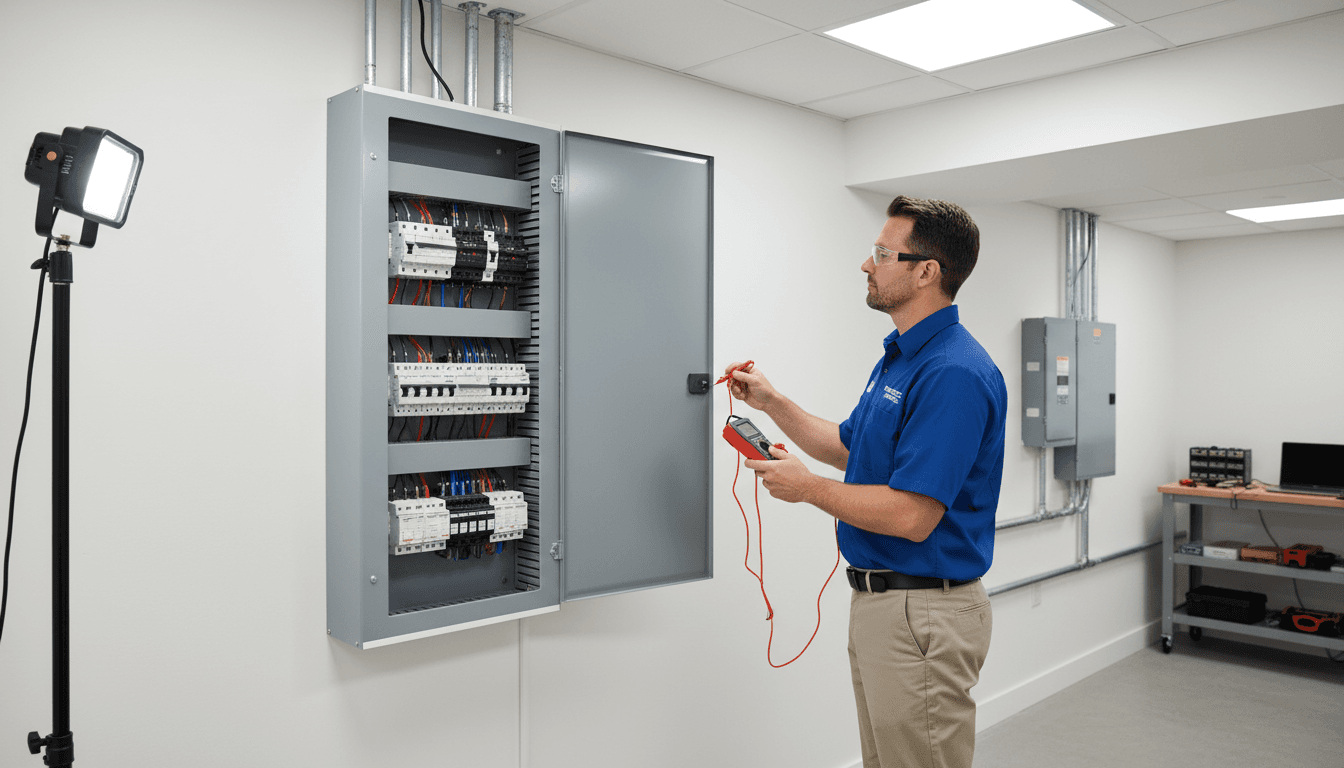

Preparing your entryway for the colder months involves using warm white lights between 2700K and 3300K and festive string lights to soften hard surfaces and create a cozy atmosphere. Professional exterior lighting installation Essex typically costs between £100 and £200 for labor, ensuring your garden remains safe and inviting throughout the autumn and winter seasons.
As the Essex evenings draw in, a poorly lit entryway becomes more than just a minor inconvenience. Fumbling for keys in the dark or navigating a slippery driveway is a safety risk that every homeowner wants to avoid during the damp autumn months. Enhancing your home’s exterior is about finding the perfect balance between warm, welcoming aesthetics and robust, functional security. In this guide, we will explore everything you need to know about professional exterior lighting installation in Essex. You will discover the difference between warm and cool white tones, the importance of IP ratings for surviving the British rain, and practical maintenance tips to keep your system running. From troubleshooting common failures to understanding professional installation costs, we provide the expert insight needed to ensure your home remains bright and secure throughout the winter season.
The Seasonal Shift: Why Your Porch Lighting Matters in Autumn
As British Summer Time draws to a close, the rapid reduction in daylight hours presents immediate challenges for homeowners across Billericay, Shenfield, and the surrounding Essex areas. While decorative garden lighting focuses on aesthetics, functional porch and entryway lighting is a matter of practical necessity. The transition to darker, wetter months turns simple tasks like navigating a doorstep or locating house keys into potential hazards.
Wet autumn leaves and evening frost create slippery surfaces that are difficult to spot in the shadows. For residential properties, a well-planned exterior lighting installation Essex serves two critical purposes: safety and security. A dark entryway is not only a trip risk for residents and delivery drivers, but it also provides cover for unauthorized visitors. By prioritising the illumination of the transition zone, the area between the driveway and the front door, you ensure that the most high-traffic part of your property remains navigable.
Effective porch lighting differs from general landscaping because it requires consistent, reliable performance regardless of the weather. As the days shorten, ensuring your front door is clearly lit provides peace of mind that your home is both welcoming for guests and a hard target for intruders.
Setting the Mood: Warm White vs Cool White for Front Door Aesthetics
Selecting the correct colour temperature is the most significant factor in how a home appears after sunset. Light colour is measured in Kelvins (K), and for residential properties across Billericay and Shenfield, the choice usually falls between warm and cool tones. Research suggests that warm white lights, typically ranging from 2700K to 3300K, are most effective for entryways. These golden tones are particularly suited to traditional Essex brickwork; they enhance the natural reds and oranges of the masonry, creating a soft, inviting glow that feels far more welcoming than harsher alternatives.
In contrast, cool white lighting, which sits at 5000K or higher, mimics daylight. While this is rarely suitable for a front door lantern, it is highly effective for security floodlights. The crisp, bluish-white light provides high contrast, making it easier for CCTV cameras to capture clear footage and for homeowners to identify movement at the edge of the property. Achieving the right balance requires a thoughtful exterior lighting installation Essex that separates decorative elements from functional security.
The most successful projects use a layered approach to balance these two functions. To achieve both curb appeal and safety, we recommend the following configuration:
Lighting Layer | Recommended Temperature | Primary Function |
|---|---|---|
Porch Lanterns | 2700K - 3000K | Welcoming atmosphere and aesthetic |
Soffit Downlights | 3000K | Subtle architectural highlighting |
Security Floodlights | 5000K+ | Visibility and intruder deterrence |
By positioning warm, low-level lights near the door and reserving high-intensity cool lights for PIR-activated security zones, you ensure the home remains beautiful without compromising on protection. Integrating these different circuits into professional outdoor electrical solutions ensures the system is correctly isolated and easy to control throughout the winter months.
Practical Driveway and Entryway Lighting Ideas for UK Homes

Effective illumination requires selecting hardware that balances durability with output. For many homes in Billericay and Ingatestone, the primary focus is the porch light for the front door. Traditional wall-mounted lanterns offer a classic look, but recessed soffit lighting is becoming increasingly popular for modern builds in areas like Stock and Shenfield. These downlights are tucked into the overhanging eaves; they provide a clean, architectural finish while casting a wide, even beam that eliminates shadows around the door frame.
When considering driveway lights at night, the goal is to define the boundaries of your property and guide vehicles safely. LED bollards are a superior choice for longer driveways. These fixtures stand approximately 50cm to 100cm tall and cast light downwards, which prevents glare while illuminating the path. For shorter driveways or paved entryways, recessed ground lights or brick lights integrated into low garden walls provide a streamlined alternative that does not obstruct the walkway.
Lighting Solution | Ideal Application | Key Benefit |
|---|---|---|
Recessed Soffit Lights | Porch ceilings and eaves | Subtle, high-output downlighting |
Wall-Mounted Lanterns | Flanking the front door | Traditional aesthetic and eye-level light |
LED Bollards | Driveway edges and paths | Navigation and boundary definition |
Ground Uplighters | Front facade and trees | Dramatic architectural highlighting |
It is vital to prioritize mains-wired systems for any exterior lighting installation Essex. Solar-powered alternatives are often tempting due to their low upfront cost, but they frequently fail during the UK’s overcast autumn and winter months. A mains-wired system, integrated into your home's outdoor electrical solutions, ensures consistent brightness regardless of the weather. This reliability is essential for safety. A light that fails to charge during a cloudy December day leaves your entryway in total darkness just when you need it most. Using a professional contractor ensures these cables are buried at the correct depth and protected from moisture, providing a permanent solution that outlasts any battery-powered unit.
Understanding IP Ratings for Weatherproof Exterior Lighting
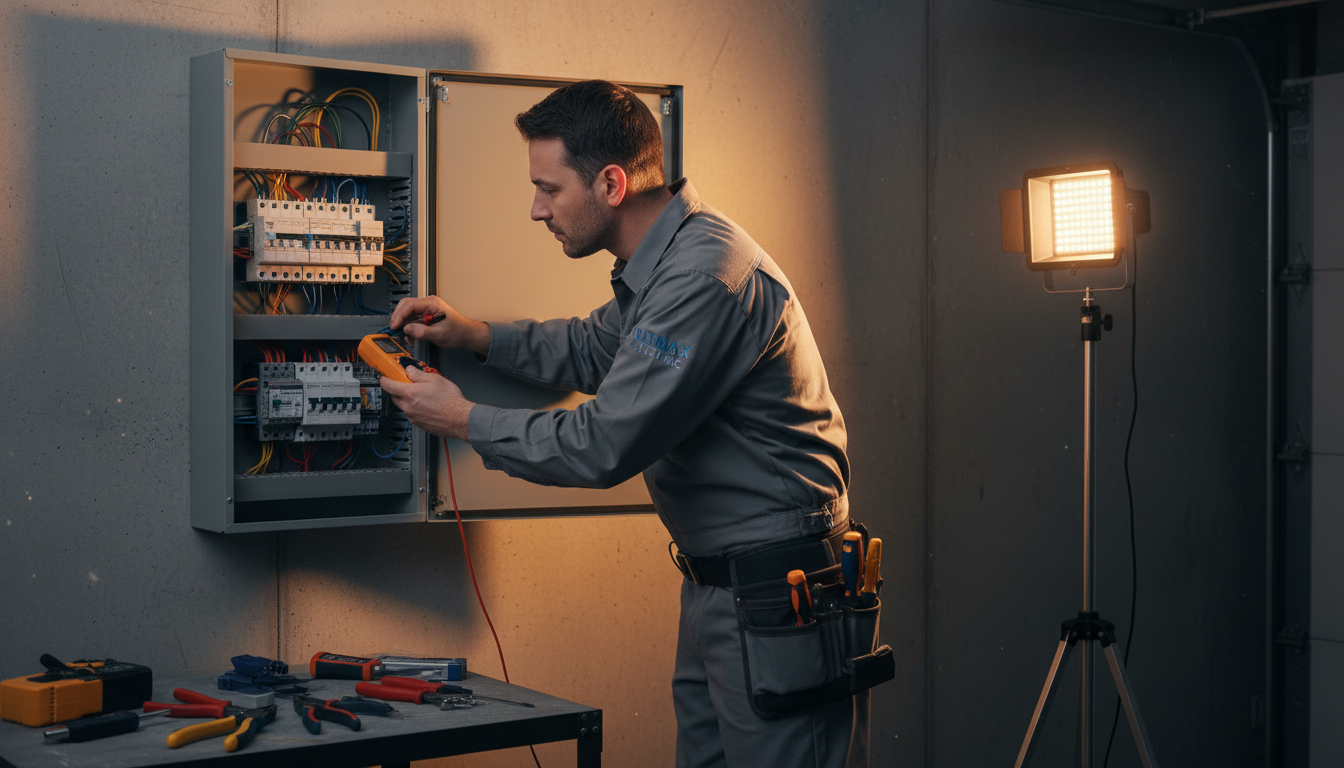
Homeowners often ask if outdoor lights need to be weatherproof. The short answer is yes, but the specific level of protection depends entirely on where the fixture is installed. The Ingress Protection (IP) rating system defines how well a fitting resists environmental factors. The first digit represents protection against solid objects, while the second indicates moisture resistance. For an exterior lighting installation Essex, the second digit is the most critical factor.
In sheltered areas like a deep porch in Shenfield or Billericay, an IP44 rating is usually sufficient. This ensures the unit can withstand water splashing from any direction. However, for fixtures mounted on exposed garden walls or driveway bollards that face the brunt of horizontal, wind-driven rain, we recommend IP65 or higher. An IP65 rating signifies the fitting is protected against low-pressure water jets, making it far more resilient against the harsh winter storms common across Essex.
Location | Recommended IP Rating | Environmental Exposure |
|---|---|---|
Under Porch / Eaves | IP44 | Sheltered from direct rainfall |
Exposed Exterior Wall | IP44 - IP65 | High wind and direct rain exposure |
Ground Lights / Path Lights | IP65 - IP67 | Constant moisture and potential puddling |
Selecting a lower-rated fixture for an exposed position is a common cause of system failure. Water ingress eventually trips the consumer unit, requiring professional electrical fault finding to identify the culprit. When designing outdoor electrical solutions, we assess the specific micro-climate of your entryway to ensure every component remains watertight and safe.
Why Outdoor Lights Fail After Rain: Troubleshooting and Solutions

Even the most robust exterior lighting installation Essex can face challenges during a typical British downpour. A common concern for homeowners in Brentwood and Shenfield is why outdoor lights stop working immediately after heavy rain. This usually occurs due to water ingress, where moisture finds a path into the electrical enclosure. This moisture path can be caused by a degraded rubber seal, a hairline crack in the lens, or even capillary action where water is pulled along a cable into the fitting.
When water enters a light fixture, it often bridges the gap between the live components and the earth. This creates a fault that your consumer unit detects, causing the RCD (Residual Current Device) to trip instantly. This is a safety mechanism designed to prevent electric shocks, but it can be frustrating when it leaves your entire entryway in darkness. For residents in Billericay and Wickford, a circuit that refuses to stay reset after a storm is a primary indicator of a moisture-related failure.
Before calling for professional help, you can perform a few basic checks: - Inspect the seals around the light casing; if they appear brittle or flattened, they are likely failing. - Clear away sodden leaves and garden debris from ground-recessed lights, as blocked drainage holes allow water to pool around the base. - Look for signs of condensation inside the glass, which suggests the internal environment is no longer airtight.
Persistent issues require expert electrical fault finding to isolate the problematic fixture. We provide comprehensive outdoor electrical solutions that include replacing faulty glands and using resin-filled junction boxes to ensure your system remains resilient against the damp Essex climate.
Cost Guide: Professional Exterior Lighting Installation Essex
Understanding the investment required for a professional exterior lighting installation Essex helps in planning your autumn home improvements. Throughout the region, typical labour costs for a qualified electrician often range between £100 and £200 for a minimum half-day session. We operate with a transparent pricing model that includes free, no-obligation quotes and no call-out fees. This ensures Billericay and Shenfield residents receive a bespoke price tailored specifically to their property layout rather than an arbitrary flat rate.
Several variables dictate the final project cost. The complexity of the wiring run is a primary factor; installing a new lantern on an existing circuit is significantly simpler than running armoured cable to the end of a long driveway in Stock or Ingatestone.
Cost Factor | Impact on Pricing |
|---|---|
Number of Light Points | Higher material costs and longer installation time |
Wiring Complexity | Trenching and armoured cable runs increase labour |
Property Access | High-level soffit installations may require specialized equipment |
Control Systems | Smart sensors or timers add to the hardware cost |
Safety remains the priority for any outdoor project. All mains-wired outdoor work must comply with Part P of the Building Regulations. As NICEIC Approved Contractors, we provide the necessary certification to ensure your work is fully insured and legally compliant, protecting your property value and your family's safety.
Essential Autumn Maintenance Checklist for Outdoor Electrics
Maintaining your system before the first hard frost prevents the most common winter failures. Start by pressing the 'Test' button on the RCD at your consumer unit to confirm it triggers correctly. This safety device is your primary protection if water ingress occurs during a storm. Next, clean all PIR sensors with a soft cloth to remove spider webs and salt spray, as debris often causes sensors to trigger falsely or fail entirely.
A thorough autumn inspection should also include: - Checking visible cables and conduits for brittleness or cracks. - Ensuring drainage channels around ground lights are free of sodden leaves. - Inspecting seals on wall-mounted fittings for signs of perishing.
If your inspection reveals exposed wires or moisture inside a fitting, professional electrical fault finding can resolve the risk before winter weather worsens. Regular upkeep of your exterior lighting installation Essex ensures these outdoor electrical solutions provide reliable service until spring.
As the days get shorter, ensuring your home is bright and welcoming is essential for both security and curb appeal. A well planned lighting layout makes a significant difference during the colder months, providing safety for your family and guests alike. If you would like expert assistance with your project, you can explore our options for Outdoor Electrics to see how we can help. Our team is available to ensure your installation is both functional and beautiful, giving you complete peace of mind all winter long.