
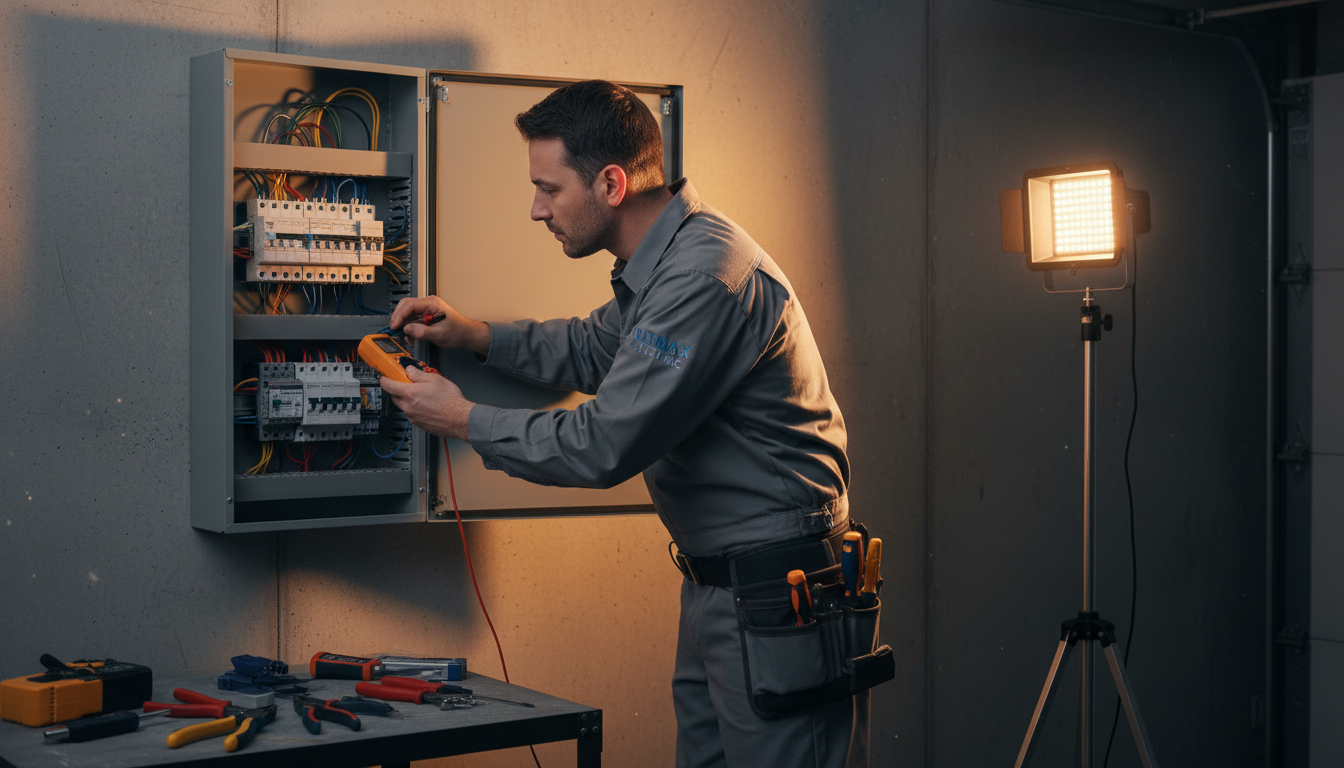
Homeowners can achieve winter-ready home electrics Essex by scheduling a professional safety inspection and checking for circuit overloads caused by high-demand appliances like space heaters. Ensuring that external wiring is weather-sealed and that all heating equipment is in good working order will prevent fire hazards and unexpected power failures throughout the season.
As the crisp September air arrives in Essex, many homeowners overlook the hidden strain that plummeting temperatures place on their domestic electrical systems. There is nothing more frustrating than a sudden power failure or a tripping circuit just as you settle in for a cold winter evening. Ensuring your home is prepared now prevents emergency callouts and costly repairs during the peak of the season. In this guide, we provide a professional checklist tailored for local properties; it covers everything from preventing circuit overloads to securing your outdoor lighting against the elements. You will also learn about the importance of timely EICR inspections and how to maintain your EV charger during a freeze. By taking these practical steps today, you can guarantee a safe, reliable, and energy-efficient home throughout the challenging months ahead.
Why September is the Critical Month for Electrical Safety in Essex
September represents a vital transition for households across Essex. While summer demand is generally low, consisting mostly of basic lighting and the occasional fan, this month precedes a significant spike in electrical load. As the clocks change and temperatures fall, homes in Billericay and Brentwood begin running high-draw appliances like tumble dryers and space heaters simultaneously. This sudden increase in demand can expose hidden weaknesses in an aging system, often necessitating consumer unit upgrades to handle the surge safely.
This window is also the ideal time to address environmental factors unique to our region. In rural areas like Stock and Ingatestone, or areas prone to damp coastal air, autumn brings increased moisture and morning mist. This environmental humidity can penetrate outdoor sockets and lighting fixtures that have sat dormant all summer, leading to corrosion or short circuits. Identifying these issues now through professional electrical fault finding prevents the inconvenience of a total power trip during a cold November night. Proactively securing your winter-ready home electrics Essex now ensures that your infrastructure is robust enough to manage the upcoming seasonal pressure. As local specialists, we recommend using this period to verify that outdoor electrical installations are sealed and safe before the heavy rains arrive.
The Essex Homeowner Winter Electrical Checklist
Transitioning from environmental awareness to active maintenance requires a clear distinction between what you can safely monitor and where a qualified engineer must step in. Ensuring your winter-ready home electrics Essex are up to standard involves a few minutes of inspection that can prevent significant failures during a cold snap.
For homeowners in Billericay and the surrounding villages, we recommend splitting your safety checks into two categories:
Homeowner Maintenance Tasks (DIY) - Inspect portable heaters: Examine cables for fraying or signs of heat discolouration on the plug pins. Portable heaters draw a high current; a compromised lead can quickly overheat and become a fire hazard. - Test RCD buttons: Locate your consumer unit and press the ‘Test’ or ‘T’ button. This should immediately trip the switch and cut power to those circuits. If it fails to trip, your system lacks critical protection against electric shocks. - Check outdoor socket covers: Ensure that external socket lids are clicking shut and that the rubber seals have not perished or cracked over the summer. - Clear external lighting: Remove damp leaves and organic debris from around ground-level lights. In more rural areas like Stock or Ingatestone, autumn buildup can trap moisture against light casings, leading to water ingress and tripped breakers.
When to Call a Professional - Recurring trips: If a circuit breaker trips repeatedly when you use high-draw appliances, it indicates a fault or an overload that requires professional electrical fault finding. - Burning smells: Any metallic or plastic-burning scent near your sockets or consumer unit is a sign of arcing and requires an immediate inspection. - Outdated equipment: If your property still relies on an old-style fuse box with rewirable fuses, you should consider consumer unit upgrades to ensure your home can safely manage the increased demand of winter and provides modern RCD protection.
Preventing Circuit Overloads and Tripping Breakers
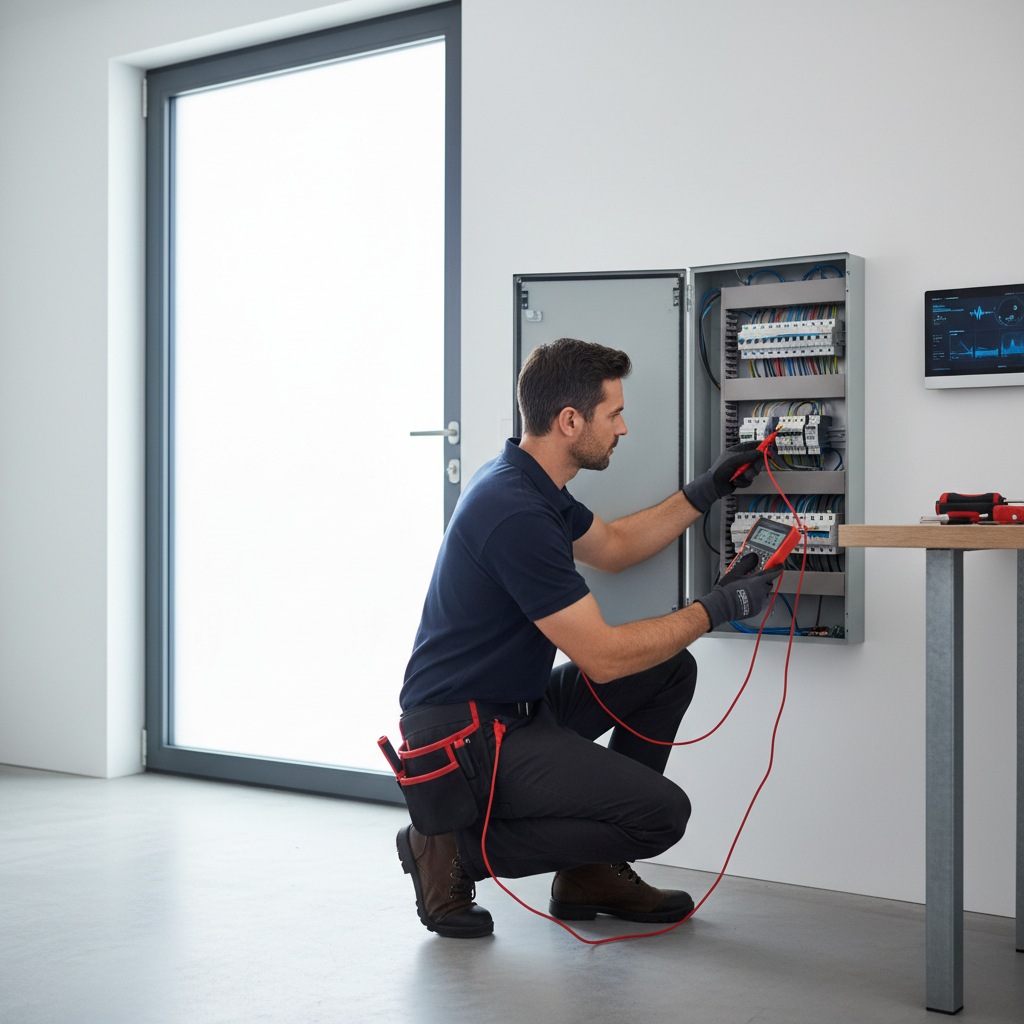
Older properties across Billericay and Brentwood often feature electrical systems designed for a different era. A house wired in the 1970s was never intended to support the simultaneous load of high performance tumble dryers, electric vehicle chargers, and 2kW portable space heaters. This concentration of demand, often referred to as the winter surge, is the most common reason for circuit breakers to trip during the colder months.
Understanding the difference between an overload and a genuine fault is crucial for maintaining your winter-ready home electrics Essex. An overload occurs when the cumulative current draw of your appliances exceeds the circuit's rated capacity, usually 32 amps for a standard ring main. If your power cuts out specifically when you turn on a space heater while the kettle is boiling, you are likely dealing with an overload. However, if the breaker trips instantly regardless of what is plugged in, or if there is a visible flash at a socket, you likely have a more serious fault. In these cases, professional electrical fault finding is required to identify damaged insulation or loose connections that pose a fire risk.
Modern consumer unit upgrades offer a level of protection that older fuse boxes simply cannot match. Traditional rewirable fuses are designed to melt when they get too hot, but they are relatively slow to react. This delay allows excess heat to build up in your wall cables, potentially damaging the insulation over time. Modern Miniature Circuit Breakers (MCBs) detect overcurrent instantly, while Residual Current Devices (RCDs) monitor for tiny leaks of electricity that could cause a shock. Upgrading your consumer unit ensures that when the winter surge hits, your system manages the load safely and shuts down precisely when needed, rather than allowing a hazardous situation to develop.
Outdoor Electrics: Preparing for Essex Winter Weather
While indoor loads are a concern, the external elements pose a different set of risks for winter-ready home electrics Essex. Wind and driving rain in Wickford or Shenfield gardens can force moisture into areas that stayed dry during the summer months. Decorative festoon lighting and garden power points are particularly vulnerable to water ingress if seals have perished or housings have cracked over time.
You should verify that your equipment carries an appropriate IP (Ingress Protection) rating for its location. We recommend IP66 for sockets exposed to the elements, as this ensures protection against high-pressure water jets and dust. A compromised seal might seem minor, but a tiny amount of moisture is enough to trigger a fault. If you notice condensation behind the lens of an outdoor light or a socket cover that no longer clicks shut, the unit is no longer weather-tight.
Because most outdoor electrical installations are linked to the main RCD for safety, a saturated garden socket can trip the entire house's power. This frequently occurs during heavy winter downpours, often in the middle of the night, cutting off your heating and lights simultaneously. If your consumer unit refuses to reset during a storm, it usually indicates a moisture-induced fault that requires professional electrical fault finding to isolate the problem and return your home to safety.
Is Your Home Due for an EICR Before the Cold Sets In?
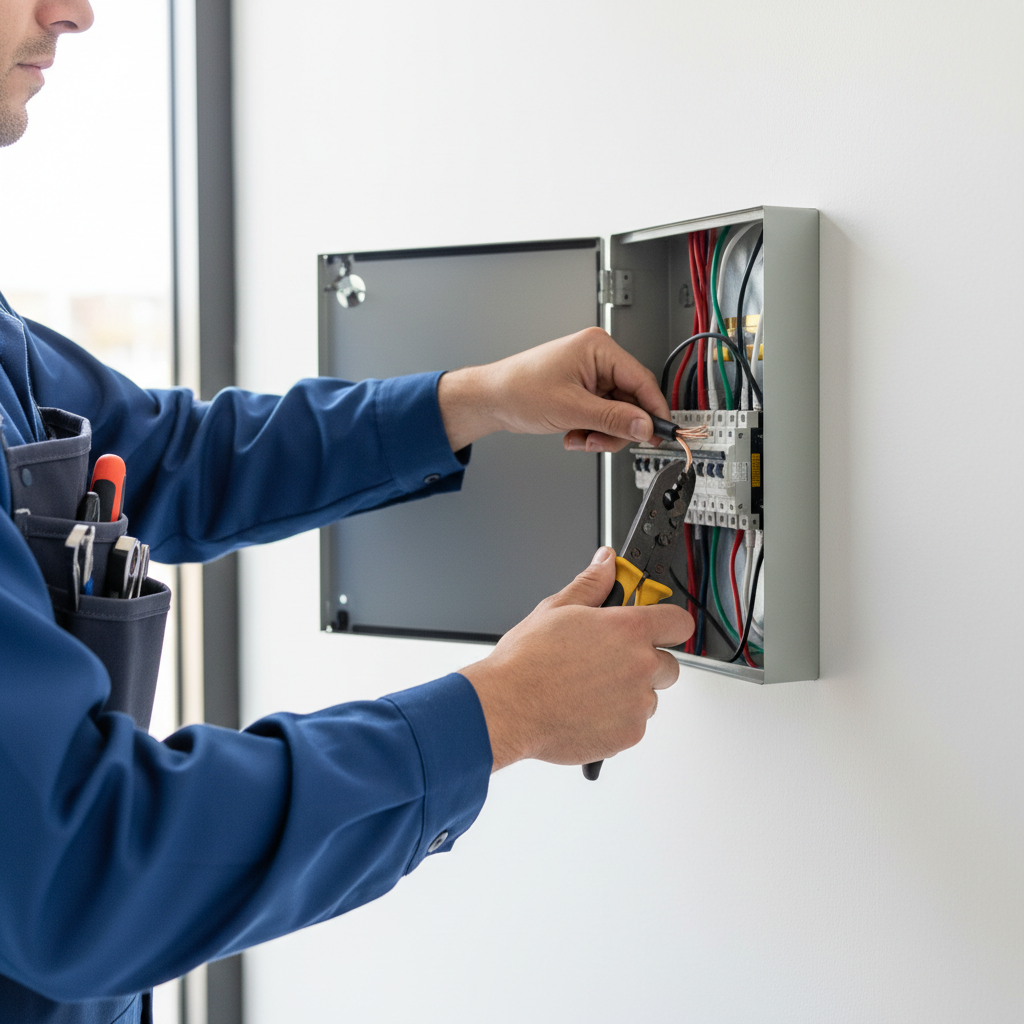
While addressing visible issues like outdoor lighting is important, the most comprehensive way to ensure winter-ready home electrics Essex is through a formal inspection. A common question we receive from residents in Billericay and Shenfield is: "How often should you get an electrical safety check?" For owner-occupied domestic properties, the industry recommendation is once every 10 years. However, for landlords across Essex, obtaining EICR certificates in Billericay and the surrounding areas is a legal requirement at least every five years or at the start of a new tenancy.
An Electrical Installation Condition Report (EICR) is a deep-dive assessment of your property’s fixed wiring. During the inspection, an NICEIC Approved Contractor performs seven core tests to verify safety. These include a visual inspection for damage, continuity testing of protective conductors, continuity of ring final circuit conductors, insulation resistance to check for degradation, polarity verification, earth fault loop impedance, and precise RCD trip-timing tests. These procedures identify hidden hazards, such as undersized cables or faulty earthing, that could fail when the heating load increases in December.
For a standard two or three bedroom home in Essex, a professional EICR typically costs between £150 and £250. This price range varies based on the size of the property, the number of circuits, and the age of the installation. Investing in this check before the frost arrives provides peace of mind that your home infrastructure can handle the heightened seasonal demand without the risk of fire or unexpected power failure.
Optimizing Indoor Lighting for Darker Evenings
As natural light fades in Billericay and Ingatestone, your indoor lighting transitions from decorative to essential. High utility bills are a common concern during the colder months; switching to energy-efficient LEDs is a practical step to manage the seasonal winter electricity cost. LEDs consume up to 90% less energy than traditional halogen bulbs and last significantly longer, reducing the need for mid-winter maintenance.
Before the clocks change, take the time to inspect your existing fixtures. Check that dimmers are functioning correctly without flickering, as older dimming switches may not always be compatible with modern LED technology. Replacing ageing bulbs now prevents the inconvenience of navigating dark hallways or stairs when a failure occurs in December. If you notice bulbs blowing frequently or flickering despite being new, it may indicate an underlying issue that requires professional electrical fault finding to ensure your circuits are stable. A professional lighting installation can also transform your home’s atmosphere during long Essex nights. Well-placed task lighting and warm ambient layers improve your mood and enhance safety by eliminating dark spots, ensuring your winter-ready home electrics Essex provide both comfort and security.
Preparing Your EV Charger for Freezing Temperatures

Transitioning from the warmth of indoor lighting to the driveway, your electric vehicle infrastructure requires specific attention to remain part of your winter-ready home electrics Essex. EV charging cables often become stiff and less pliable as temperatures drop towards freezing in Billericay and Shenfield. Inspect the entire length of the cable for small nicks or abrasions that could allow moisture or road grit to penetrate the protective sheath. In rural areas like Stock and Ingatestone, salt and grit from the roads can easily transfer to the connector pins, so verify the handle is clean and dry before docking.
Clear any damp autumn leaf buildup from around the base of the charger and the cable holster. Trapped organic matter holds moisture against the casing, which can lead to premature seal degradation over time. While modern units are engineered for external use, a quick professional inspection ensures the internal seals remain watertight and your outdoor electrical installations are functioning at peak efficiency. Taking these steps now prevents the frustration of a failed charge on a frost-covered morning when reliability is most critical.