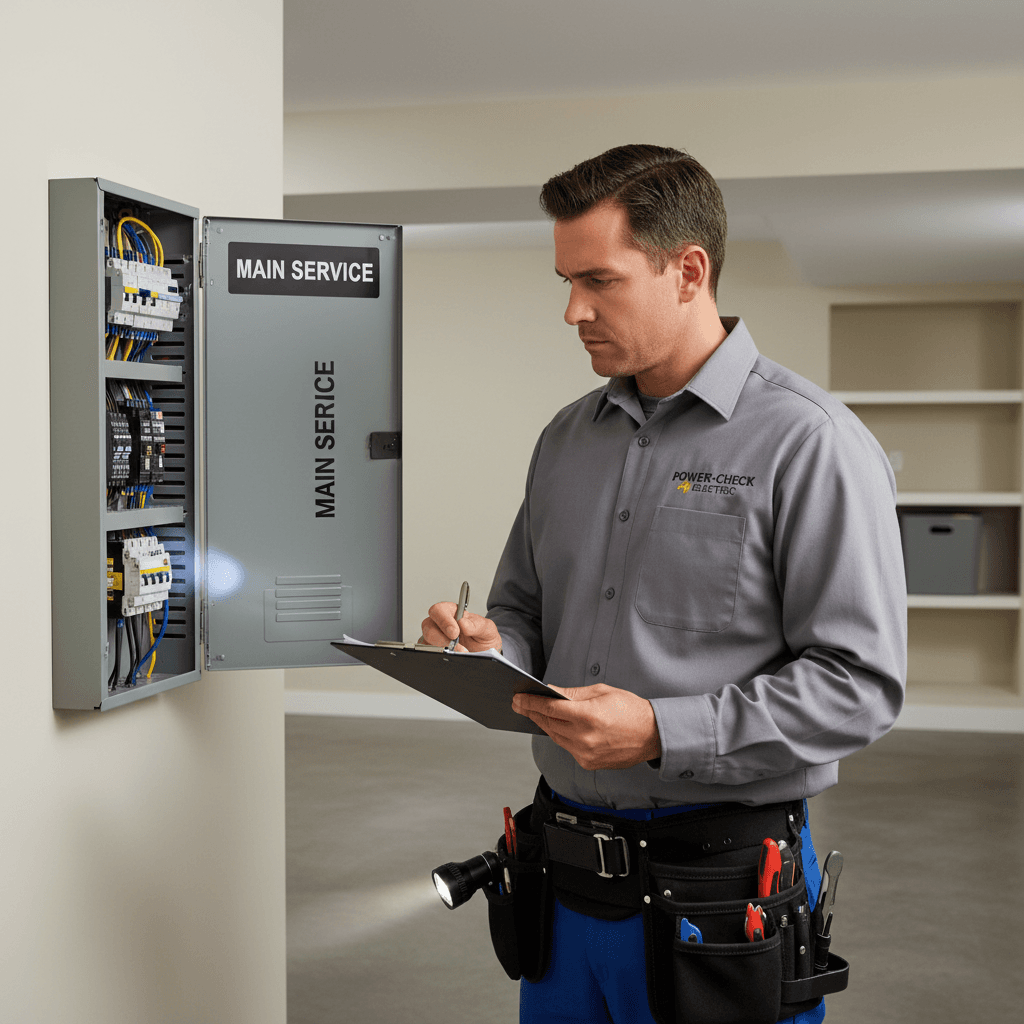
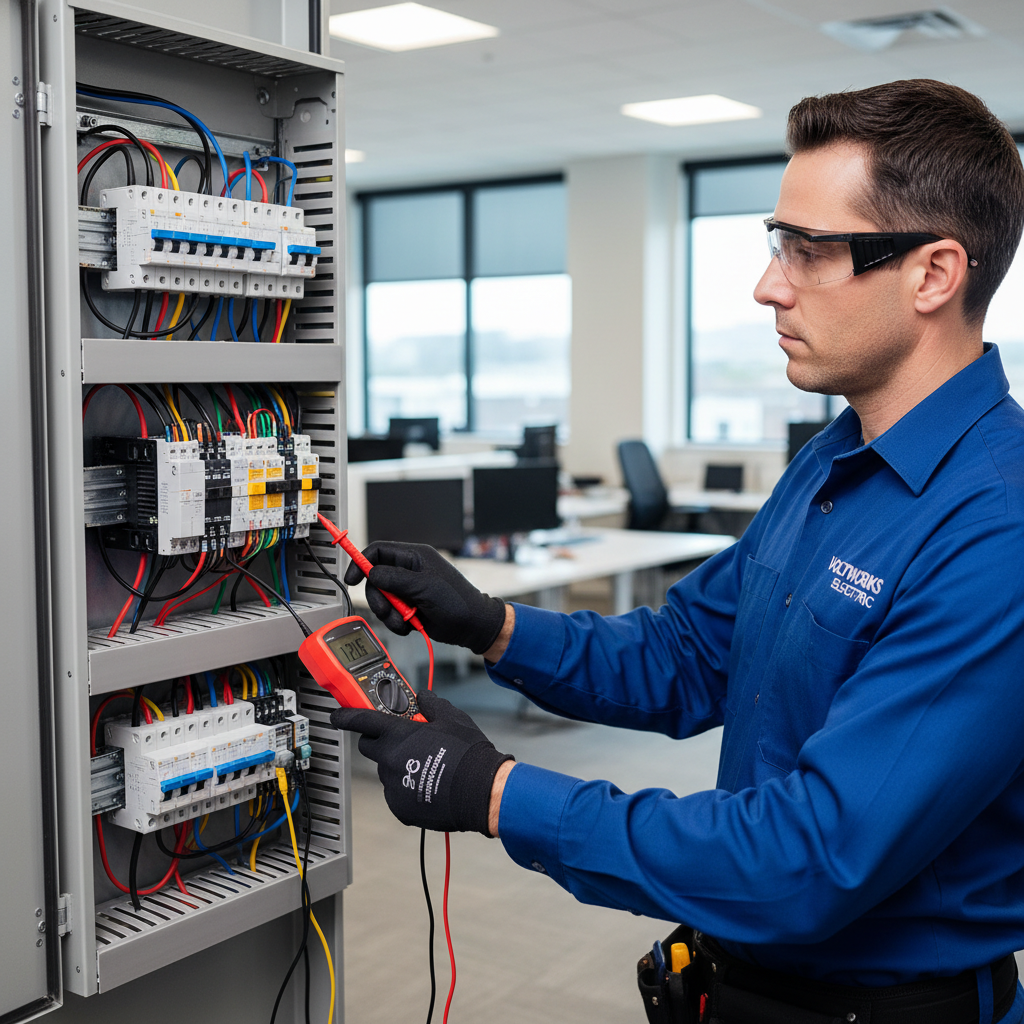
Maintaining commercial electrical safety Essex small business requires owners to secure an Electrical Installation Condition Report (EICR) every five years to comply with the Electricity at Work Regulations 1989. These routine inspections, combined with regular portable appliance testing, are essential for identifying potential hazards and ensuring a safe environment for both staff and customers.
Running a small business in Essex requires constant attention to detail, yet electrical compliance often feels like a moving target. Between managing daily operations and serving customers, the technicalities of EICR intervals and PAT testing requirements can easily slip through the cracks. However, neglecting these duties poses a significant risk to your staff and your bottom line. A single fault could lead to costly downtime, legal penalties, or voided insurance policies. As local experts serving the Billericay area, we understand the specific challenges you face. This guide provides a clear roadmap through the UK legal framework, clarifying how often you need testing and where the responsibility lies between landlords and tenants. You will also find a practical safety checklist tailored for local shops and offices to ensure your premises remain fully compliant and protected against insurance claims.
The Legal Framework for Commercial Electrical Safety in the UK
Operating a business in Billericay or Brentwood comes with a set of non-negotiable responsibilities regarding infrastructure. Navigating the legalities of commercial electrical safety in Essex for a small business often feels daunting, but the framework is built on two primary pieces of legislation. The Health and Safety at Work Act 1974 places a broad duty of care on employers to ensure the safety of employees and the public. More specifically, the Electricity at Work Regulations 1989 requires that all electrical systems be maintained in a condition that prevents danger.
It is a common misunderstanding that an EICR is a specific law in itself. While the term Electrical Installation Condition Report does not appear in the primary legislation, the law mandates that you must maintain your electrical system. In the eyes of the Health and Safety Executive (HSE) and local authorities, an EICR certificate in Billericay is the definitive method of proving that you have met these legal obligations. Without this documentation, demonstrating compliance during a health and safety inspection or following an incident is incredibly difficult.
Distinguishing between guidance and legal obligation is vital for managing liability. The IET Wiring Regulations (BS 7671) are technically guidance, yet they set the standard for all commercial electrical services in the UK. If a business ignores these standards and an accident occurs, the court will look at whether the employer followed this recognized guidance to satisfy their legal duties. For most small business owners, regular electrical testing for businesses is the only practical way to ensure they remain on the right side of the law.
Commercial EICR Requirements: How Often Does Your Essex Business Need Testing?
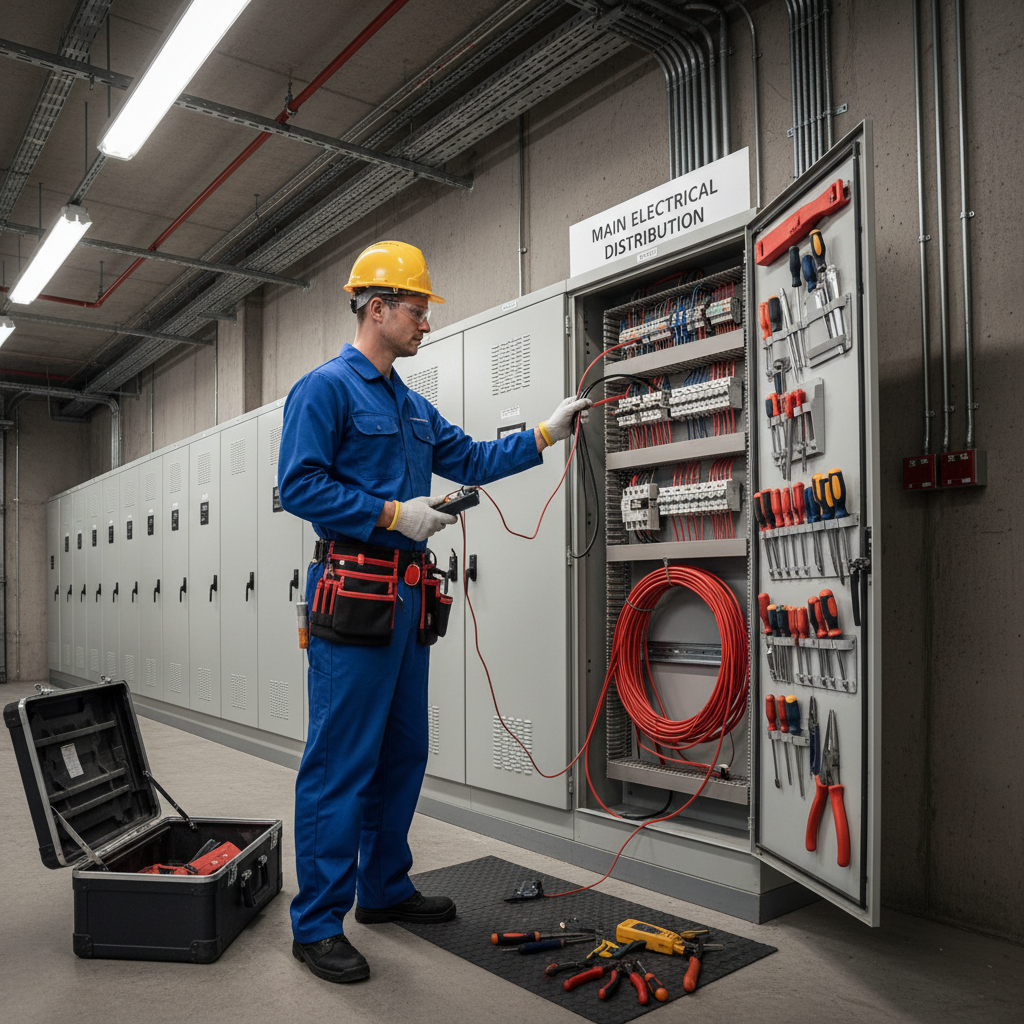
Determining the frequency of electrical testing for businesses depends entirely on the nature of your operations and the environment of your premises. For standard commercial environments, such as a retail shop on Billericay High Street or a professional office in Brentwood, the industry standard for a full inspection is every five years. This timeframe reflects a lower risk profile where the electrical installation is not subjected to excessive moisture, dust, or heavy mechanical strain.
However, higher risk environments require more frequent monitoring to ensure commercial electrical safety Essex small business owners remain compliant. Industrial units in Wickford that utilize heavy machinery may require testing every three years due to the vibrations and high electrical loads that can degrade connections over time. Commercial kitchens in Shenfield or Ingatestone often necessitate annual inspections. The combination of high heat, steam, and frequent cleaning creates a corrosive environment that can lead to rapid deterioration of wiring and accessories.
During an inspection, any discovered issues are categorized using standard industry codes, which dictate the safety status of your building:
C1 (Danger Present): An immediate risk to life or property. The electrician will usually isolate the circuit immediately to prevent injury. A C1 code results in an automatic 'Unsatisfactory' report.
C2 (Potentially Dangerous): A fault that is not immediate but could become dangerous if another fault occurs. This also results in an 'Unsatisfactory' report and requires urgent remedial work.
C3 (Improvement Recommended): A non-compliant element that does not pose an immediate danger. While it does not fail the report, addressing these items is best practice for long term maintenance.
Receiving an 'Unsatisfactory' EICR certificate in Billericay means your business is technically not in compliance with safety regulations. This status can lead to the immediate invalidation of your building and public liability insurance, leaving the business owner personally liable for any damages or injuries that occur on-site.
PAT Testing for Small Businesses: Myth vs Reality

A common misconception among entrepreneurs in Billericay is that Portable Appliance Testing (PAT) is a strict annual legal requirement. In reality, the law mandates the maintenance of portable electrical equipment to prevent danger, but it does not specify the exact method or the frequency. While annual testing has become a default for many, the industry standard relies on a risk based approach tailored to the specific environment of your commercial electrical safety Essex small business.
For a typical office in Brentwood or a retail unit in Shenfield, equipment is generally categorized by how it is used. Stationary items like computers or photocopiers are at lower risk than hand held appliances or equipment that is moved frequently. A practical inventory for testing includes:
Office hardware: PCs, monitors, and printers.
Kitchen appliances: Kettles, toasters, and microwaves.
Essential connectors: Extension leads and multi way adapters.
Specialized tools: Hairdryers in salons or heavy duty vacuums.
Professional electrical testing for businesses provides the necessary documentation to satisfy health and safety inspectors. By scheduling commercial electrical services that include a formal risk assessment, you can determine if your equipment needs testing every twelve months or if a two year interval is appropriate for low risk items. This approach ensures safety without creating unnecessary administrative burdens.
Who is Responsible: Commercial Landlord or Small Business Tenant?
Determining who bears the cost of electrical testing for businesses is a frequent point of contention for tenants in Shenfield and Ingatestone. While the law requires the premises to be safe, it does not explicitly dictate who pays for the certification; that is governed primarily by your lease agreement. In a standard setup, the landlord remains responsible for the fixed installation, including the EICR certificate in Billericay for the wiring, consumer units, and hardwired circuits. Conversely, the tenant is typically responsible for any equipment they bring onto the site, such as kitchen appliances, computers, or specialized machinery.
Many small businesses in Essex sign Full Repairing and Insuring (FRI) leases. Under these terms, the burden of maintaining the entire building infrastructure, including the periodic inspection of the fixed wiring, often shifts entirely to the tenant. It is vital to review these clauses with a solicitor before signing. If you are taking over a new unit, insist on seeing a valid, Satisfactory EICR from within the last five years before the lease starts. If the landlord cannot provide one, you may be inheriting expensive remedial work required to meet commercial electrical safety Essex small business standards.
For tenants already in situ, a clear inventory helps delineate boundaries. If you install new commercial electrical services like dedicated circuits for a server room or additional shop lighting, those additions generally become your maintenance responsibility. Keeping a paper trail of these boundaries ensures that both parties understand their liability in the event of a health and safety inspection or an insurance claim.
The Essex Business Safety Checklist: From Shops to Offices

Once you have established who is responsible for the fixed wiring, the focus shifts to the daily operational hazards unique to your industry. Maintaining commercial electrical safety Essex small business standards requires a tailored approach based on the specific equipment and layout of your premises.
Retail Units (e.g., Billericay High Street): Focus on display lighting and floor sockets. High-output lighting displays can generate significant heat; ensure they are clear of combustible materials and have adequate ventilation. Avoid using multiple extension leads for temporary promotional displays, as this is a frequent cause of circuit overloads identified during electrical testing for businesses.
Professional Offices: Prioritize cable management and server infrastructure. In Brentwood or Shenfield office spaces, daisy-chaining power strips creates a fire risk. Ensure server rooms have dedicated circuits and adequate cooling to prevent equipment from overheating and triggering a sudden system shutdown.
Cafes and Restaurants: Mitigate risks from water and heavy loads. Sockets near prep stations or sinks must be protected against moisture ingress. Large appliances, such as commercial espresso machines and combi-ovens, require specialized commercial electrical services to ensure they are hardwired or installed on dedicated high-capacity circuits to prevent nuisance tripping.
A comprehensive safety strategy also includes the maintenance of life safety systems. Functional testing of emergency lighting ensures your staff and customers can exit the building safely during a power failure. Similarly, regular fire alarm testing is a statutory requirement that works in tandem with your EICR certificate in Billericay. Incorporating these elements into your broader maintenance schedule ensures your Essex premises remain fully compliant and safe for all occupants.
Why Insurance Providers Demand Electrical Compliance
The safety of your physical shop or office is inextricably linked to your financial protection. Insurance providers in the UK view an EICR certificate in Billericay as a fundamental risk management document rather than just a bureaucratic requirement. Most Public Liability and Buildings Insurance policies contain a reasonable precautions clause. This stipulates that the policyholder must comply with all relevant statutory regulations, including the Electricity at Work Regulations 1989. If a business fails to maintain its installation, the insurer may argue that the owner has failed in their duty of care.
A fire caused by deteriorating wiring or a poorly maintained consumer unit is one of the most common reasons for commercial property claims. If the subsequent investigation reveals that the fault occurred on a circuit that had not undergone regular electrical testing for businesses, the insurer has strong grounds to reject the claim entirely. For a small retail unit or professional office in Brentwood, the total loss of stock, equipment, and premises without a payout is often enough to lead to permanent closure.
Maintaining commercial electrical services and valid certification helps secure your coverage and can even influence your annual premiums. Insurers increasingly request evidence of compliance during the renewal process to verify that the commercial electrical safety Essex small business owners claim to have is actually backed by professional inspection. Regular documentation proves you are a lower risk client, protecting both your physical assets and your professional reputation.
Maintaining a safe working environment is essential for legal compliance and the overall longevity of your business. While the regulations might seem complex at first, staying proactive helps prevent costly downtime and potential hazards. If you want expert help navigating these requirements, our team is ready to support your needs. You can learn more about our Commercial Electrical Services to see how we help local companies stay safe. We aim to make the process straightforward and stress-free for every client.