Installing external electric sockets requires professional installation to ensure full weatherproofing and safety compliance, with typical project costs ranging from £75 to over £200. Homeowners should ensure these units are positioned at least 300mm above the ground to prevent moisture ingress and meet UK building regulations. Choosing RCD protected sockets is essential for durability and safety when powering outdoor tools or lighting systems.
Tired of trailing orange extension leads through a cracked kitchen window every time you need to mow the lawn or jet wash the patio? For many Essex homeowners, managing temporary outdoor power is a persistent safety hazard and a security risk that leaves your home vulnerable. Upgrading to professional, weatherproof external electric sockets is the most practical way to modernise your garden while ensuring your family remains protected from electrical faults. In this comprehensive guide, we draw on our years of local expertise to explain the technical essentials every homeowner should consider. You will discover the importance of IP ratings, the latest UK building regulations regarding installation heights, and a realistic breakdown of installation costs for 2025. From powering summer houses to troubleshooting common tripping issues, this article provides the expert insight needed to transform your outdoor space safely.
Why Essex Homeowners are Moving Power Outdoors
Homeowners across Billericay, Brentwood, and Wickford are increasingly viewing their gardens as functional extensions of their indoor living space. This shift towards multi-purpose outdoor areas has transformed the way local properties are utilised, turning traditional lawns into sophisticated zones for both relaxation and high-intensity maintenance. This evolution requires a reliable and safe power source that matches the demands of modern garden technology.
Standard garden maintenance now relies heavily on corded equipment. Electric lawnmowers and high-pressure washers for seasonal patio cleaning are staple tools for most Essex residents. Beyond maintenance, the rise of outdoor entertainment systems, including weather-resistant speakers and garden projectors, has moved from a luxury addition to a common residential upgrade. These devices require a stable connection that can handle consistent use throughout the year.
While trailing an extension lead through a cracked window might suffice for a ten-minute task, it is not a viable strategy for frequent use. Temporary cables create trip hazards, prevent windows from closing securely, and lack the necessary protection against moisture and mechanical damage. For long term utility, installing permanent outdoor electrics is the only professional solution. A dedicated external socket ensures your power supply is appropriately rated for the environment and safely integrated into your home's electrical system, providing a robust point of access that stands up to the British weather.
Understanding IP Ratings for Weatherproof Outdoor Sockets

Selecting the right hardware for your garden starts with understanding IP ratings, which stands for Ingress Protection. This is a universal standard used to categorise how effectively an electrical enclosure prevents solids and liquids from reaching live components. The rating consists of two digits: the first indicates protection against solid objects like dust, while the second indicates protection against moisture.
In many retail environments, you will see products rated at IP44. While this level is technically splash-proof and suitable for sheltered areas, it is often insufficient for the exposed conditions found in Essex gardens. For properties in Billericay and Shenfield, where driving rain and wind are common, we recommend a minimum of IP66. An IP66 rating ensures the unit is dust-tight and can withstand powerful water jets from any direction, providing a much higher level of durability against the unpredictable UK climate.
The physical design of these external electric sockets is what makes them truly weatherproof. A professional grade enclosure features a thick rubber gasket that creates a watertight seal against the mounting surface. Crucially, the front cover includes a recessed channel at the bottom and a secure locking clip. This specific geometry allows you to plug in an appliance and fully close and lock the lid over the cable. By keeping the lid shut during operation, the internal terminals remain shielded from moisture even while the power is in use, preventing the nuisance tripping often associated with cheaper, non-locking alternatives.
UK Regulations and Height Requirements for External Power
While selecting high-quality hardware is a vital first step, the physical installation must adhere to strict UK building regulations to be legally compliant and safe. Compliance with British Standards (BS 7671) ensures that external electric sockets are positioned to withstand local environmental factors. For instance, the minimum mounting height for an outdoor socket is 300mm (30cm) above ground level. This elevation is calculated to prevent water splashes from heavy rainfall or snow accumulation from compromising the weatherproof seal, a common issue during the damp winters in Billericay and Stock.
Homeowners should also be aware of Part P of the Building Regulations. This legislation mandates that any new external circuit is classified as notifiable work. Because outdoor electrics are subject to harsher conditions than indoor wiring, the risk profile is higher, requiring formal verification of safety. As NICEIC Approved Contractors, we ensure that every installation is tested, certified, and reported to local building control. This certification provides essential peace of mind and serves as necessary documentation when selling a property in Brentwood or Shenfield. Attempting to bypass these regulations not only compromises safety but can also lead to significant complications during home surveys or future insurance claims.
The Difference Between a Simple Socket and a Garden Power Circuit
Homeowners often face a choice between extending an existing internal ring main or installing a completely new circuit. Adding a "spur" involves tapping into a nearby indoor socket to feed one external outlet. This method is effective for low demand applications, such as running a single LED security light or plugging in a corded hedge trimmer for short periods. However, spurs have limited capacity and cannot support multiple high draw appliances simultaneously without risking an overload.
For more demanding installations, a dedicated garden power circuit is necessary. This setup runs directly from your consumer unit, providing a stable and isolated supply that does not interfere with your indoor appliances. Dedicated circuits are essential for high load items like hot tubs, electric heaters, or garden offices in Wickford or Ingatestone. When running power across a lawn or down a fence line, we utilise Steel Wire Armoured (SWA) cable. SWA features a galvanised steel braid that provides mechanical protection against accidental damage from garden tools or rodents, ensuring the cable remains intact even when buried.
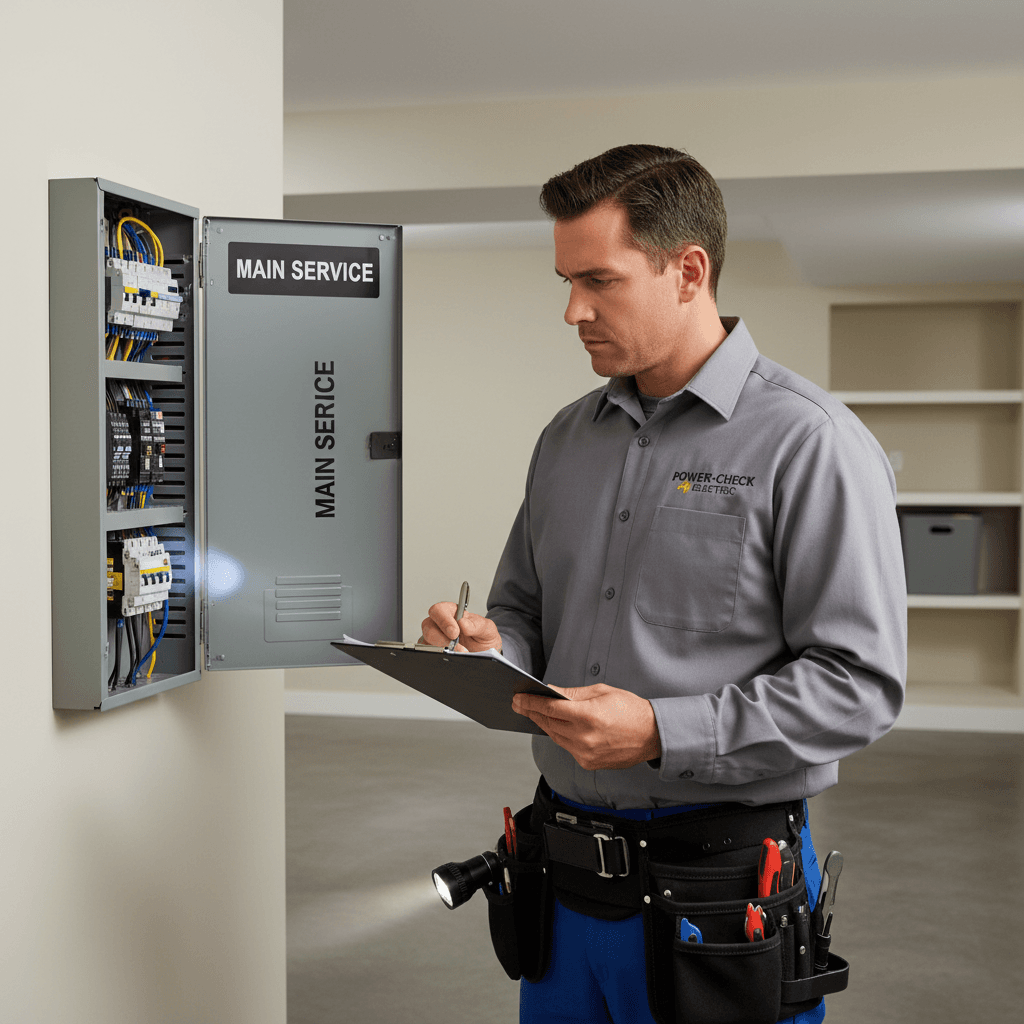
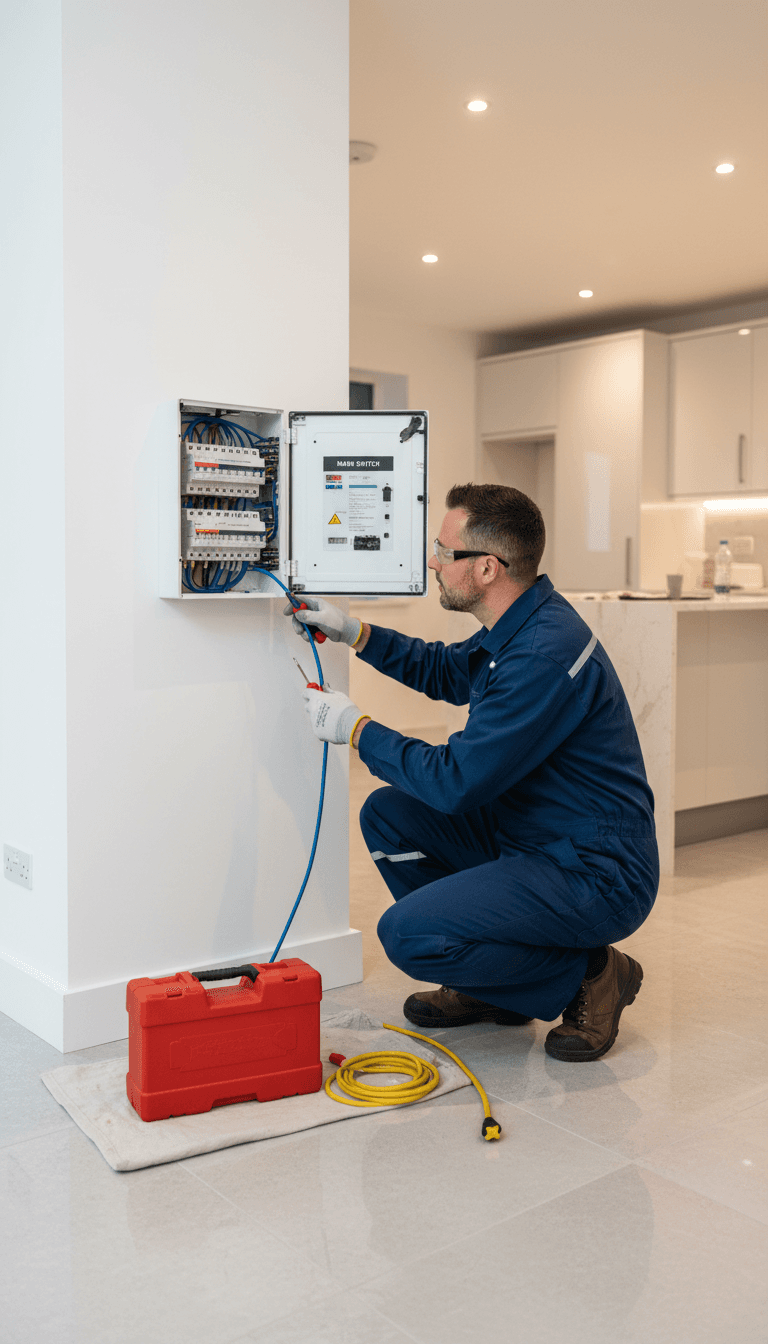
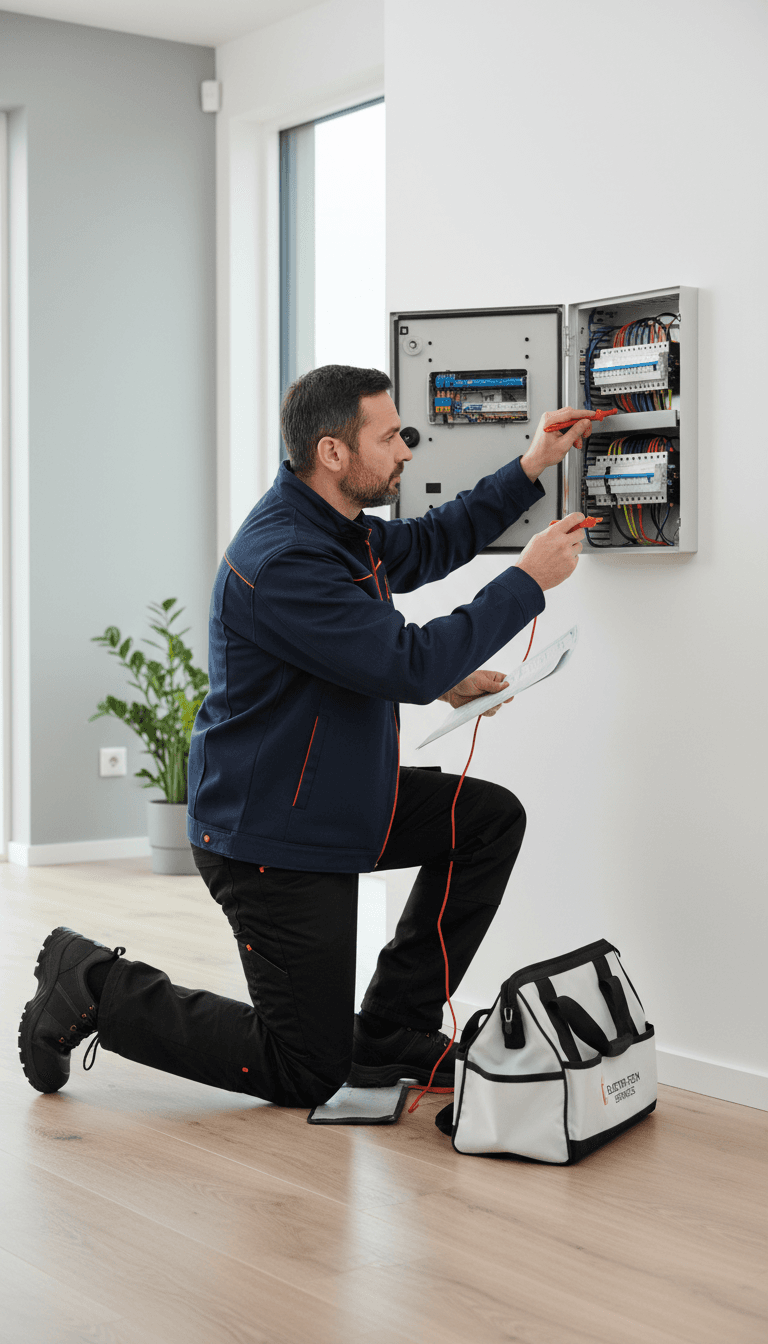
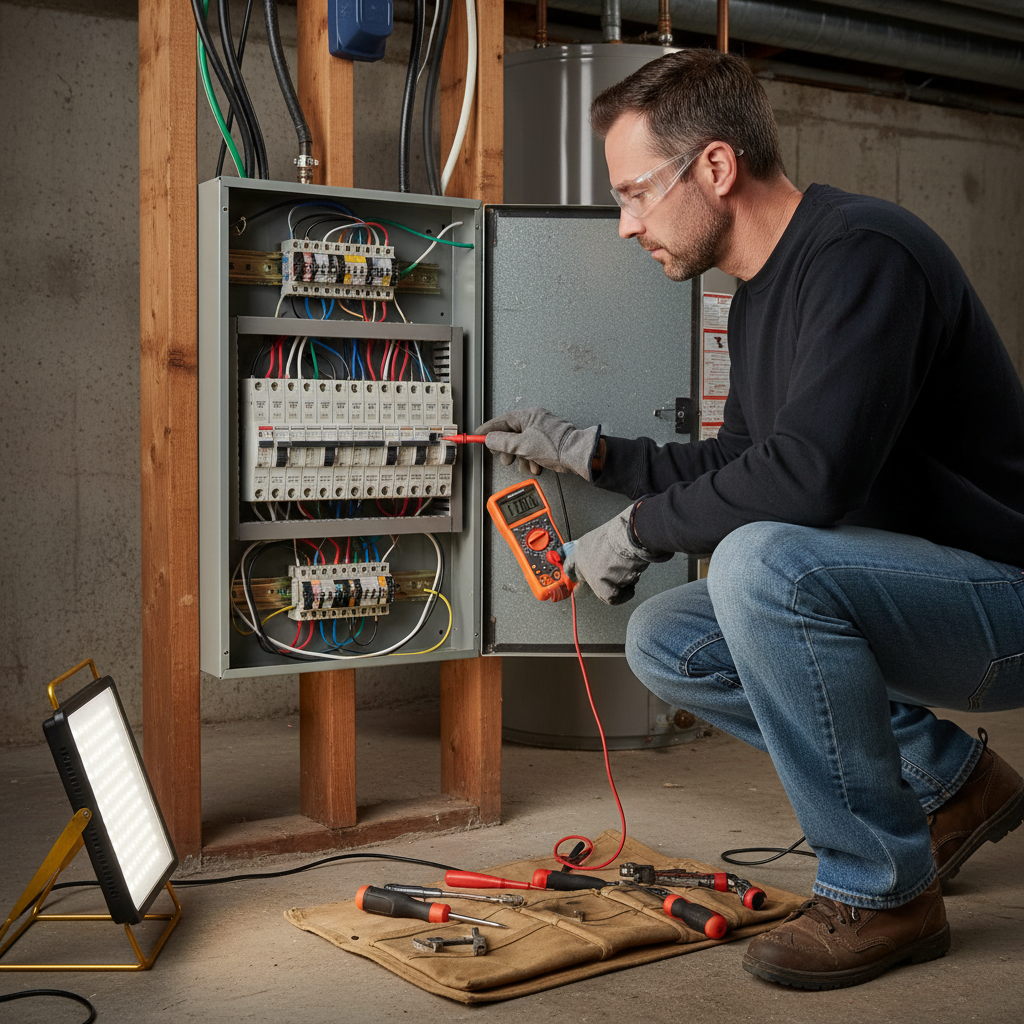
Crucially, all outdoor electrics must be protected by a Residual Current Device (RCD). This safety mechanism monitors the flow of electricity and instantly disconnects the power if a leakage is detected, which is life saving if a cable is accidentally severed by a lawnmower. If your current fuse box lacks this protection, you may require consumer unit upgrades to ensure your new external installation meets modern safety standards. This preventative approach reduces the need for emergency electrical fault finding later on by ensuring the system is robust from the start.
Installation Costs for Outdoor Sockets in 2025
When budgeting for your outdoor electrics, understanding the current market rates in Essex ensures there are no surprises during the project. In 2025, material costs for high-quality external electric sockets generally range from £15 to £60. This variation depends on the brand; BG Electrical provides a reliable, cost-effective entry point, whereas premium brands like MK offer heavy-duty components designed for maximum longevity in exposed conditions.
Professional labour for a standard installation typically falls between £130 and £200. This fee covers the physical installation, thorough testing, and the provision of the necessary safety certification.
Component | Estimated Price Range (2025) |
|---|---|
IP66 External Socket | £15 – £60 |
Standard Installation Labour | £130 – £200 |
Additional SWA Cable (per metre) | £5 – £10 |
Several variables can increase these baseline figures. Drilling through thick stone walls or reinforced period brickwork common in parts of Billericay and Ingatestone adds time and requires specialised masonry tools. Furthermore, running long lengths of Steel Wire Armoured (SWA) cable to a distant point in a garden will increase both material and labour costs due to the complexity of the cable management. Safety is the final cost variable; if your existing board is an older style that lacks RCD protection, consumer unit upgrades will be necessary to meet current British Standards. Investing in these upgrades ensures the installation is safe and fully compliant with Part P regulations.
Can You Install an Outdoor Socket Yourself
Homeowners often ask if they can handle this as a weekend project. While UK law allows for basic maintenance, such as replacing a damaged indoor switch, installing new external electric sockets is significantly more complex. The process involves drilling through external masonry and making connections that frequently necessitate consumer unit upgrades to accommodate modern safety standards.
Improper sealing of the backbox is a common reason for professional electrical fault finding later on; even a tiny gap allows driving rain to enter the unit, leading to internal corrosion or intermittent short circuits. Furthermore, outdoor circuits require precise earthing and RCD testing to ensure the power cuts instantly during a fault. As NICEIC Approved Contractors, we provide a Minor Works Certificate for all outdoor electrics. This document is a vital piece of legal paperwork required by solicitors when you eventually sell a property in Billericay or Shenfield. Attempting a DIY installation can lead to costly delays during a home sale or, more importantly, a hazardous electrical system that puts your family at risk.
Powering Garden Rooms and Summer Houses
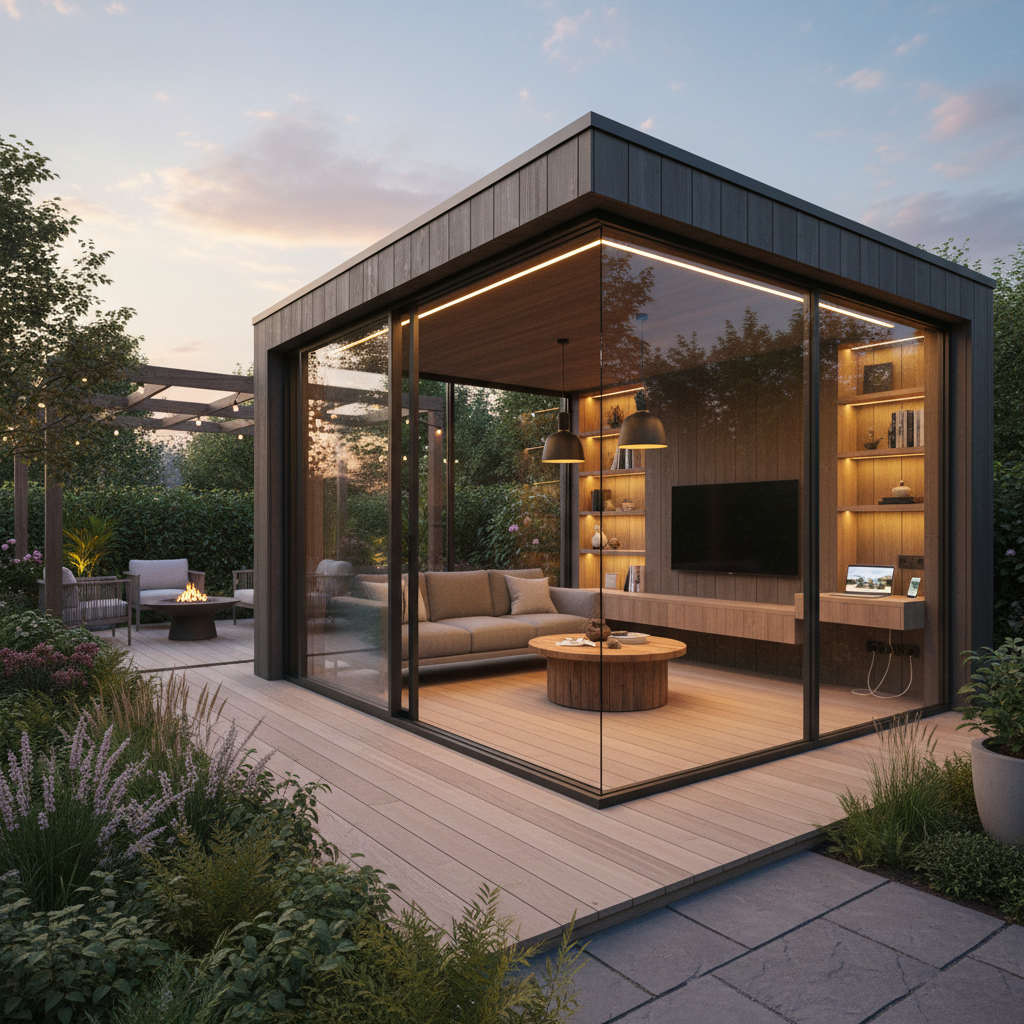
The rise of permanent garden offices in Billericay and Brentwood has significantly changed how we design outdoor electrics. A summer house converted into a year-round workspace requires a much more robust infrastructure than a single external socket can provide. When you account for the combined electrical load of dual monitors, high-spec computers, and crucially, 2kW electric heaters, the demand often exceeds the capacity of a simple spur from the main house.
For these installations, we typically recommend a dedicated sub-main consumer unit located within the garden building itself. This setup allows us to create separate circuits for lighting and power sockets, ensuring that a fault in a space heater does not leave you in the dark. A localized distribution board also provides a clear point of isolation for future maintenance. By installing a dedicated supply, you protect your main home from nuisance tripping and ensure your office remains a stable, professional environment, regardless of the equipment you run.
Troubleshooting: Why Your Outdoor Socket Stopped Working
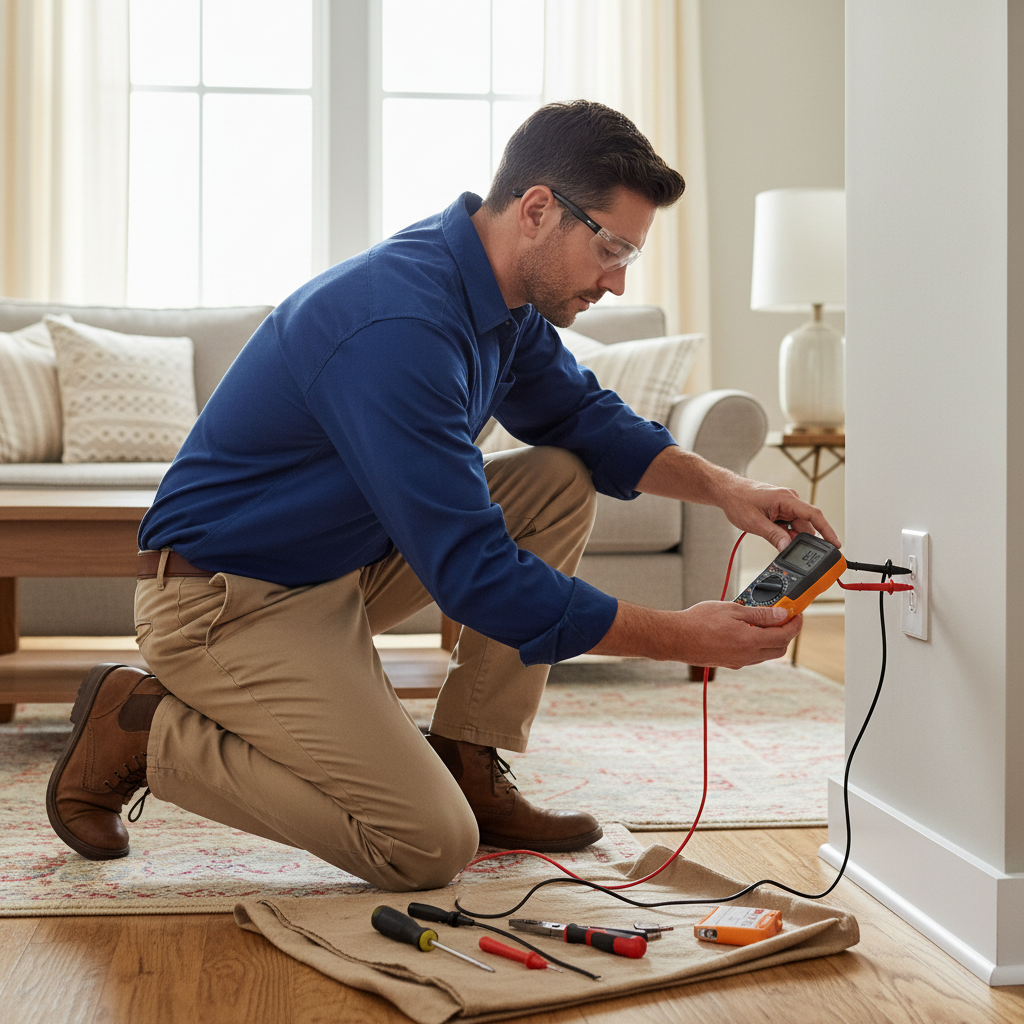
Maintaining the integrity of external electric sockets requires awareness of common failure points, especially after periods of heavy Essex rain or high intensity use. The most frequent culprit for a dead socket is water ingress. Even with a high IP rating, if the lid was not clicked securely into place or the rubber gasket has perished over time, moisture can seep into the terminals. This creates a path to earth and causes the RCD to trip instantly to prevent a shock.
Another common issue is a blown fuse within an internal fused spur. If you are using high draw equipment like a garden shredder or a large patio heater, the 13A fuse inside the house may fail before the circuit breaker trips. Before requesting professional electrical fault finding, follow this safe checklist:
Check your main consumer unit to see if the RCD or a specific circuit breaker has flipped to the 'off' position.
Inspect the socket casing for visible moisture, condensation, or even insect nests, which can hold dampness against the live components.
Ensure the weatherproof lid is fully closed and the locking latch is engaged.
Unplug all appliances and try resetting the breaker; if it stays on, the fault likely lies with your garden equipment rather than the socket.
If the breaker trips again immediately or you notice any brown scorch marks on the casing, do not attempt further resets. This indicates a serious internal fault or a compromised cable. In these instances, a qualified electrician should test the circuit to ensure the safety of your home's outdoor electrics.
Installing external sockets is a fantastic way to enhance your garden functionality, but prioritizing safety and proper weatherproofing is essential. Whether you are planning a simple power point or a larger project, ensuring everything meets modern safety standards will provide long term peace of mind. If you would like expert assistance or a professional installation to ensure your project is handled correctly, exploring our services for Outdoor Electrics is a great next step. We are here to help you create a safe, powered outdoor space that suits your specific lifestyle needs.